Netflix UK Prices Rose in September: What Existing Subscribers Should Check
Netflix’s September UK price change added £1 or £2 a month to its three main plans. New sign-ups moved to the new rates on September 3; existing members should use their own price-change notice and billing history for the effective date.

Netflix’s September price change in the UK raised the monthly cost of its three main plans by £1 or £2, depending on the tier. The new listed prices are £7.99 for Standard with adverts, £13.99 for Standard and £20.99 for Premium. Those prices took effect for new sign-ups on September 3, according to MoneySavingExpert. Existing subscribers are on a different schedule: Netflix says it emails a member one month before the billing date when that member’s price will increase.
How much did each plan change?
MoneySavingExpert’s comparison gives the previous and new monthly prices: Standard with adverts moved from £5.99 to £7.99, Standard without adverts from £12.99 to £13.99, and Premium from £18.99 to £20.99. That is an extra £2 a month on the ad-supported and Premium tiers, and £1 on Standard. Over 12 monthly bills, the difference is £24 or £12 for a full year at the new rate. That annual comparison assumes all 12 bills are charged at the new monthly price.
The old price matters when checking a particular account. A Standard customer still billed at £12.99 may receive the £13.99 rate later than a new customer did; both dates can be correct. MoneySavingExpert says existing subscribers receive the change over the following weeks, while Netflix’s Help Center says the notice arrives one month before the affected billing date. Members billed through a partner package are notified by that partner instead. The change is not limited to the three main plans: MoneySavingExpert lists extra-member fees rising by £1 a month, to £5.99 with adverts or £6.99 without. A household using that option should check the add-on as well as the account’s base plan.
Which date applies to an existing account?
There is no single increase date that can safely be applied to every existing subscriber. Netflix’s help page directs customers to the email notice and account payment history to confirm their own billing date and plan price. That is more reliable than a date reported for another customer or a new sign-up. If a household has an add-on or a partner package, its notice may come from a different company, so the sender and billing account are worth checking too.
The practical check is short: identify the plan name, find the latest Netflix price-change email, and compare the effective date with the next billing date shown in the account. The listed monthly prices tell a UK customer what Netflix currently advertises; the notice explains when the change reaches that person’s payment. One subscriber’s notice date cannot be applied to another account, because Netflix ties the increase to each billing date.
What the headline price does not settle
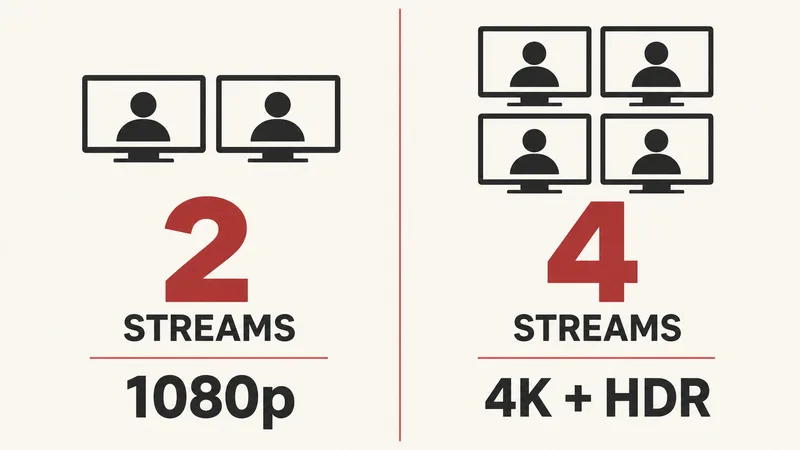
Price alone does not show whether switching tiers would suit a particular viewer. MoneySavingExpert’s comparison says the ad-supported and Standard plans both allow two simultaneous streams at 1080p, while Premium allows four streams at 4K+HDR. The ad-supported tier includes adverts and has some catalogue exclusions; download limits also vary by plan. A household can compare those concrete differences with its viewing habits before treating the cheapest tier as equivalent.
Sources & further reading
- Netflix United Kingdom — Watch series online, watch films onlineNetflix · accessed Oct 12, 2026
- Netflix hiking prices by up to £24 a year AGAIN — here’s what’s changingMoneySavingExpert · accessed Oct 12, 2026
- Why your Netflix price changedNetflix Help Center · accessed Oct 12, 2026