MotoGP 2027 Weekends: Sprint Qualifying on Friday, Grand Prix Qualifying on Saturday
The Grand Prix Commission has confirmed a new MotoGP weekend schedule for 2027. A 15-minute Sprint qualifying session on Friday sets the Tissot Sprint grid, Grand Prix qualifying moves to Saturday, and the ten-minute Warm Up is replaced by ten minutes of pitlane opening for sighting laps.
What the Grand Prix Commission approved
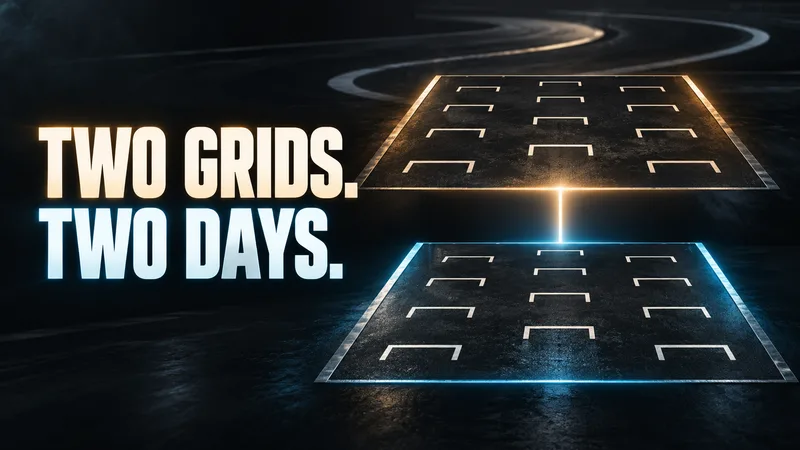
MotoGP race weekends change in 2027. The Grand Prix Commission confirmed a new weekend schedule for the MotoGP class in its decisions of October 7, 2026. From next season the Sprint and the Grand Prix are set by separate qualifying sessions, so each race has its own grid.
The decision occupies one section of the release. Under the heading "Schedule - Grand Prix weekend sessions - MotoGP class - effective season 2027", the Commission says adjustments have been confirmed "including the introduction of a qualifying session for the MotoGP Sprint and a reduction in practice track time to offset the new session."
The Commission brings together the FIM, IRTA, the MSMA and MotoGP, with Carmelo Ezpeleta in the chair. The release also lists Carlos Ezpeleta of MotoGP and the FIM's technology and technical directors among those present. The schedule section is the only MotoGP-class change the release lists, and MotoGP published its own explanation of the format the same day.
Friday: two practices and a new qualifying
Friday keeps a 45-minute FP1, which MotoGP describes as unchanged, and changes in two ways after that. A 30-minute FP2 replaces the old Practice session, and MotoGP says this shorter session "is not timed for entry into any other session", so its only job is preparation. The day ends with the new 15-minute Sprint qualifying, open to all riders, which decides the starting order for Saturday afternoon's Tissot Sprint.
Saturday: the Grand Prix grid is decided
Saturday begins with a 20-minute FP3. Then the Grand Prix grid is set by a 15-minute Qualifying 1 that every rider takes part in, followed by a 15-minute Qualifying 2 for the top 12 from Q1. The Commission says Q2 decides "pole position and the front four rows for the Grand Prix race". The Sprint closes the day, racing on the grid from Friday's Sprint qualifying.
A rider can now start the Sprint from one position and the Grand Prix from another, because two sessions on two different days decide them. Neither grid follows from the other: a quick lap on Friday carries no claim on Sunday's starting position, and a difficult Friday does not remove the chance of pole on Saturday. The order within Saturday also matters for anyone following the day: FP3, then the two Grand Prix qualifying sessions, then the Sprint, so the Sunday grid is settled before the Sprint is run.
Sunday: sighting laps instead of Warm Up
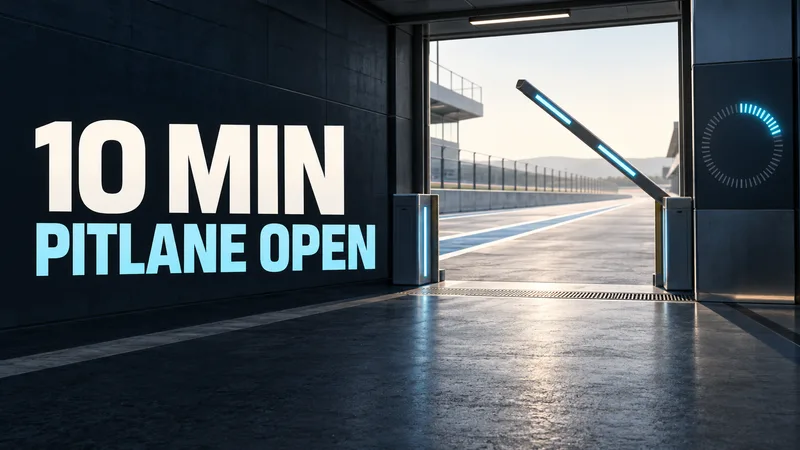
For the MotoGP class, the ten-minute Warm Up is replaced. Just before the Grand Prix, the pitlane opens for ten minutes so riders can complete multiple sighting laps. Sunday's programme also begins with the Moto3 and Moto2 races before the MotoGP Grand Prix, according to MotoGP's description of the new weekend.
What each session decides
| Day | Session | What it decides |
|---|---|---|
| Friday | 45-minute FP1 | Practice |
| Friday | 30-minute FP2 | Practice; not timed for entry into another session |
| Friday | 15-minute Sprint qualifying, all riders | The Tissot Sprint grid |
| Saturday | 20-minute FP3 | Practice |
| Saturday | 15-minute Grand Prix Qualifying 1, all riders | Progress to Q2 |
| Saturday | 15-minute Grand Prix Qualifying 2, top 12 | Pole position and the front four rows of the Grand Prix grid |
| Saturday | Tissot Sprint | Runs on the grid from Friday's Sprint qualifying |
| Sunday | Moto3 and Moto2 races, then 10 minutes of pitlane open | Sighting laps before the Grand Prix |
| Sunday | MotoGP Grand Prix | Runs on the grid from Grand Prix qualifying |
The timed practice and qualifying sessions add up to 90 minutes on Friday, 75 of them practice, and 50 minutes on Saturday, 20 of them practice. Saturday's Sprint race is separate and has no duration in the decision, so these are sums of the listed sessions, not total track time for the day.
One session against two
The two grids are set on different days, and they are set in different ways. Sprint qualifying is a single 15-minute session open to the whole field, so the Sprint grid comes out of one run. The Grand Prix grid takes two sessions in sequence, and only the fastest 12 from Q1 reach Q2, where pole position and the front four rows are decided. Because those four rows account for 12 grid slots, a rider who does not get out of Q1 starts the Grand Prix from 13th or lower.
Why the sport says it is doing this
The Commission's stated reason for the extra session is that practice time was cut to pay for it, which is why FP2 is shorter than the session it replaces. MotoGP's announcement frames the trade as balance, saying the new format "balances an incredible spectacle for fans and new stakes in each session with well-balanced track time for riders, teams and factories." The same announcement links the weekend change to the new technical regulations and new bikes arriving in 2027.
The sport also published rider reaction to the format, with Bezzecchi, Bagnaia, Martin, Marquez and Toprak among those giving their verdicts in a video on the announcement page.
What the decision does not cover
The cited decision covers the MotoGP class from the 2027 season; it does not set out changes to the Moto2 or Moto3 formats. MotoGP says Sunday's programme begins with those two classes' races before the MotoGP Grand Prix. The detailed wording of the change goes into the FIM Grand Prix Regulations, which the release says are updated regularly.
Three things a reader might look for are not in the announcement: how broadcasters will fit the extra Friday session into their schedules, what happens if a qualifying session is cancelled, and whether points or race distances change.
Sources & further reading
- Decisions of the Grand Prix Commission, 7 October 2026 (FIM press release, Mies)FIM (Federation Internationale de Motocyclisme) · accessed Oct 12, 2026
- MotoGP introduces new weekend format from 2027MotoGP (Dorna Sports) · accessed Oct 12, 2026